Sunday message · Love Made a Way series
Listen to the message
Message Summary
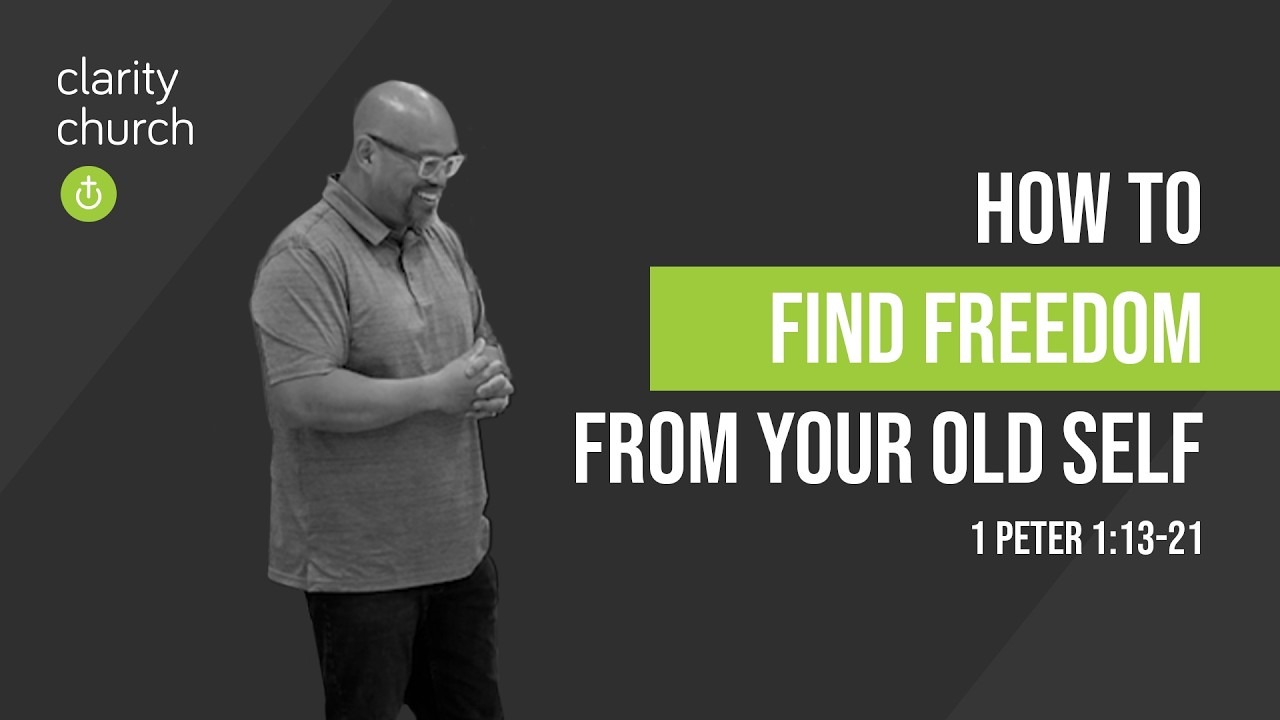
In the second message of Love Made a Way, a series on the atonement leading up to Easter, Pastor Phillip Santillan turns to 1 Peter 1:13–21 and the theme of redemption. The atonement, he explains, is what God has done through Jesus to deal with our sin and restore us to him, and it meets people differently: adoption for those who feel like outsiders, freedom for the trapped, a verdict of not guilty for the ashamed, and victory for the defeated. Redemption assumes that someone needs to be set free.
We all carry scripts we never chose: how we handle conflict or anxiety, or how we measure whether we are enough. They feel normal. So Phil asks, what if the life we think is normal is the life we need to be rescued from? Peter wrote to mostly Gentile believers in what is now Turkey, whom faith had made strangers in their own culture. The empty way of life inherited from their ancestors was the whole pagan system they were raised in; as Scot McKnight notes, what had been honored as venerable tradition was now called empty.
Our own empty patterns include performance, self-sufficiency, image management and self-medicating with pleasure, which we call coping or the hustle. Drawing on James 4, Phil says our conflicts come from desires within, producing a debt no human effort can settle. Peter says we were redeemed not with perishable silver or gold, the best currency of his day. In his world, redeeming meant paying for a slave’s freedom, a price usually beyond what a slave could earn. Success, independence and religious performance perish too, because the debt is an entire life oriented away from God.
Instead, we were redeemed with the precious blood of Christ, like an unblemished and spotless lamb. In this Passover language, the lamb’s blood marked Israel’s homes as belonging to God, and now the Lamb is the Son, given for all humanity. Jesus was no plan B; he was foreknown before the foundation of the world. His cry, it is finished, declares the saving work complete, and Colossians 2 describes God canceling our record of debt by nailing it to the cross.
The Christian life, then, is not earning God’s approval but living like someone who knows what freedom cost. “Holiness is not the entrance fee to a right relationship with God,” Phil says; it is the response of people who know they were bought at a price. Those carrying shame can stop trying to pay, because the debt is canceled. Those carrying pride must admit the debt was so real that only the blood of Jesus could cover it.
God planned our redemption, paid for it and finished it. Phil asks whether we will keep grinding to pay a canceled bill or live as people bought back. “You are not owned by your old way of life. You belong to Jesus now,” he says. He closes in prayer, surrendering to the truth that the redeemed lean not on their own doing but on what God has done.