Sunday message · Psalm 23 series
Listen to the message
Message Summary
In the second message of the Psalm 23 series, Pastor Phillip Santillan continues through Psalm 23:2–4, looking at what it takes to truly believe the Lord is my shepherd and how that truth answers the great temptation of discontentment. Many scholars believe David wrote this psalm of confidence while hiding in the wilderness from his son Absalom, who sought his throne and his life.
It is often said that a Psalm 23 person must first live a Psalm 22 life, crying, “My God, my God, why have you abandoned me?” Jesus quoted those words from the cross (Matthew 27:46), when God seemed farthest away, though he was fully in control. We can say from the heart that the Lord is our shepherd only after admitting he is all we need, so Phil asks when we were last honest about our need for God.
Whether translated “I have what I need” or “I shall not want,” the Hebrew means no lack, and the Lord becomes all we want, Phil says, when we realize he is all we need. This is not a promise that God, like a cosmic vending machine, hands us whatever we want. David says the Lord leads him to green pastures and quiet waters, where he needs to be. Jesus taught the same in Matthew 6: seek first God’s kingdom, and what you need will be provided.
The great temptation in life, Phil says, is discontentment, wanting what we do not yet have. The world’s remedies, from positive thinking to exercise to decluttering, all depend on what you can do for yourself. The evil one played the same game in the garden, telling Eve that God was holding out on her and she could become like God by her own will. Jesus instead points us to himself as the solution to our discontent. The answer is to let the Lord decide which pastures we graze in and which waters we drink from.
When we let God lead, he restores us, renewing, as one commentator puts it, the sense that life with God is good and worth living, the life we were made for in the garden. He leads us along right paths for his name’s sake and feeds us through his word. So even in the darkest valley we need fear no danger, and a life without fear is a life of contentment. The psalm does not promise we will avoid danger, but that the shepherd is with us. His rod protects us from what we neither invited nor caused, and his staff corrects us and pulls us back into his arms when we face the consequences of our own choices.
Phil closes by inviting listeners to let the Lord be their shepherd. As Jesus told the woman at the well, he himself is the water that ends our thirst, as we submit to him day after day. Then we will know the psalm’s finale: goodness and faithful love will pursue us all our days, and we will dwell in the house of the Lord forever.
Questions about Psalm 23 and contentment
Psalm 23:4 means the shepherd’s presence, not the absence of danger, is what takes away our fear: “Even though I walk through the valley of the shadow of death, I will fear no evil, for You are with me.” Pastor Phil notes that the psalm does not promise we will avoid danger, but that the shepherd is with us in it. And a life without fear, he says, is a life of contentment.
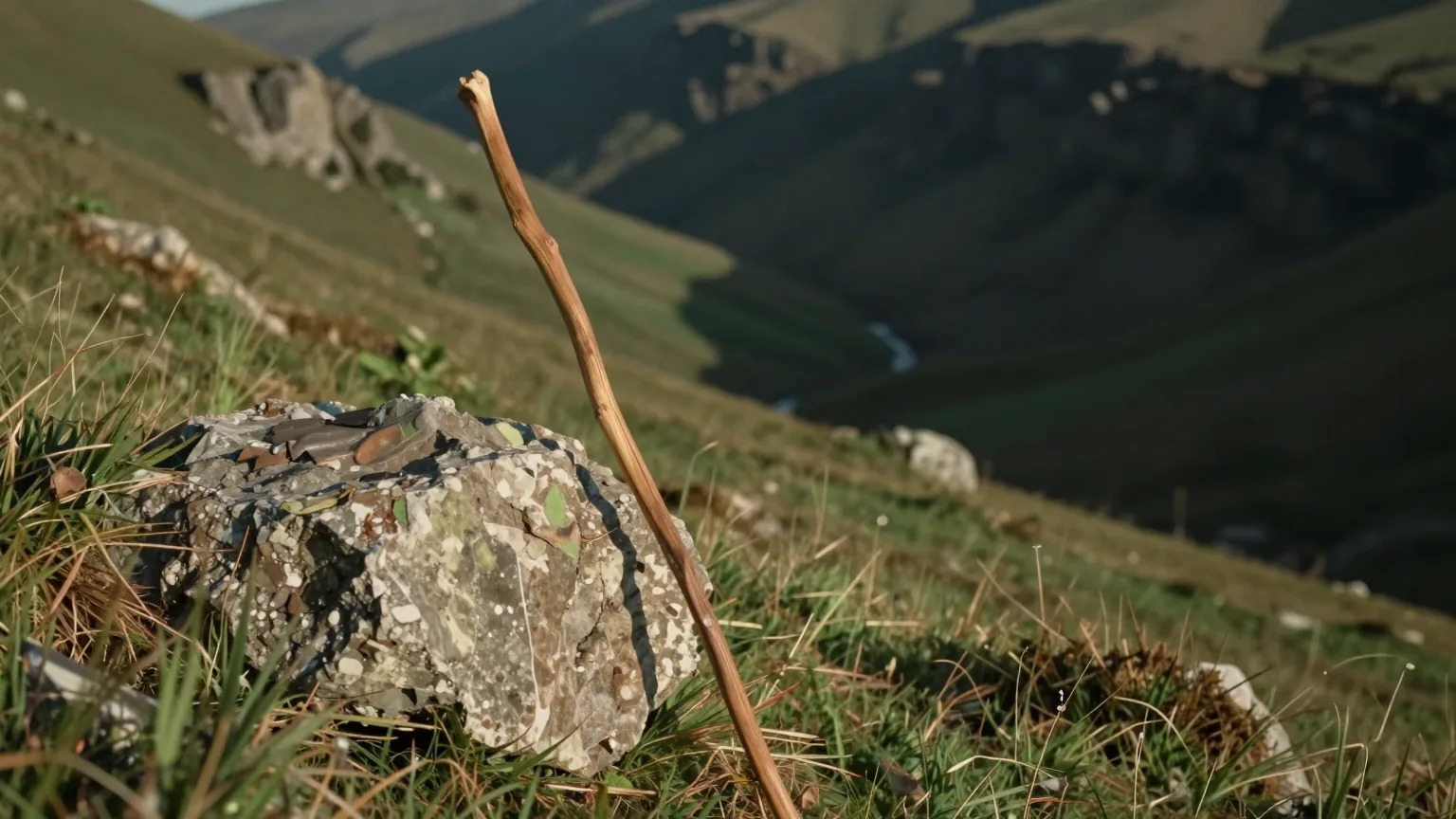
In Psalm 23 the rod and staff are the shepherd’s tools, and both bring comfort: “Your rod and Your staff, they comfort me” (23:4). Pastor Phil explains that the rod protects us from what we neither invited nor caused, while the staff corrects us, pulling us back into the shepherd’s arms when we face the consequences of our own choices. Protection and correction are both signs of his care.
The Bible teaches that contentment comes from trusting God as our shepherd, not from getting everything we want. Psalm 23:1 says, “The LORD is my shepherd; I shall not want,” meaning no lack. Pastor Phil calls discontentment life’s great temptation and says the Lord becomes all we want when we realize he is all we need. Jesus taught the same: seek first God’s kingdom, and what you need will be provided (Matthew 6:33).
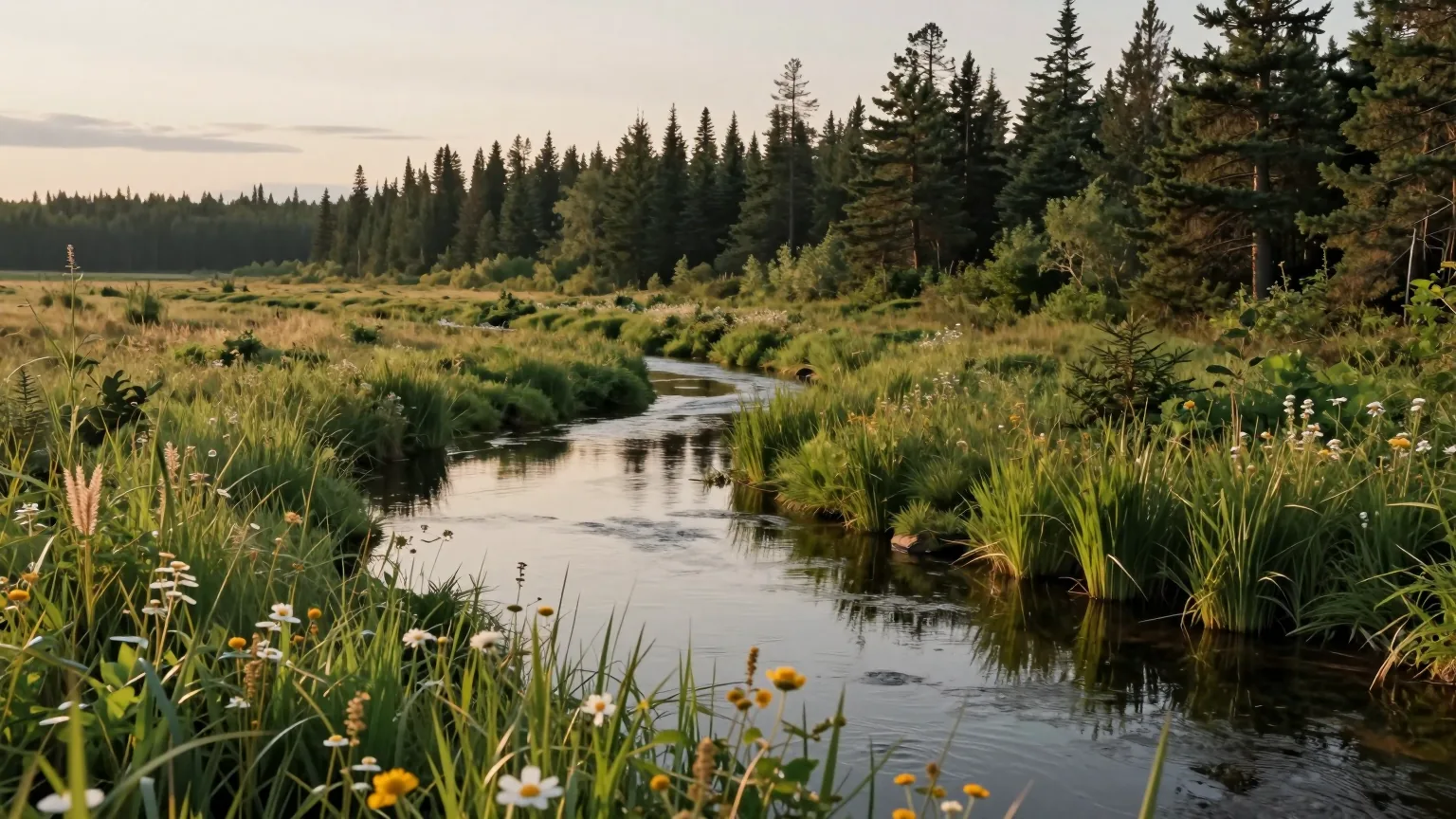
It pictures a shepherd leading his sheep to rest and nourishment where they need to be: “He makes me lie down in green pastures; He leads me beside quiet waters” (Psalm 23:2). Pastor Phil says this is no promise that God, like a cosmic vending machine, hands us whatever we want. When we let the Lord decide which pastures we graze in and which waters we drink from, “He restores my soul” (23:3).