Sunday message · The Book of Matthew series
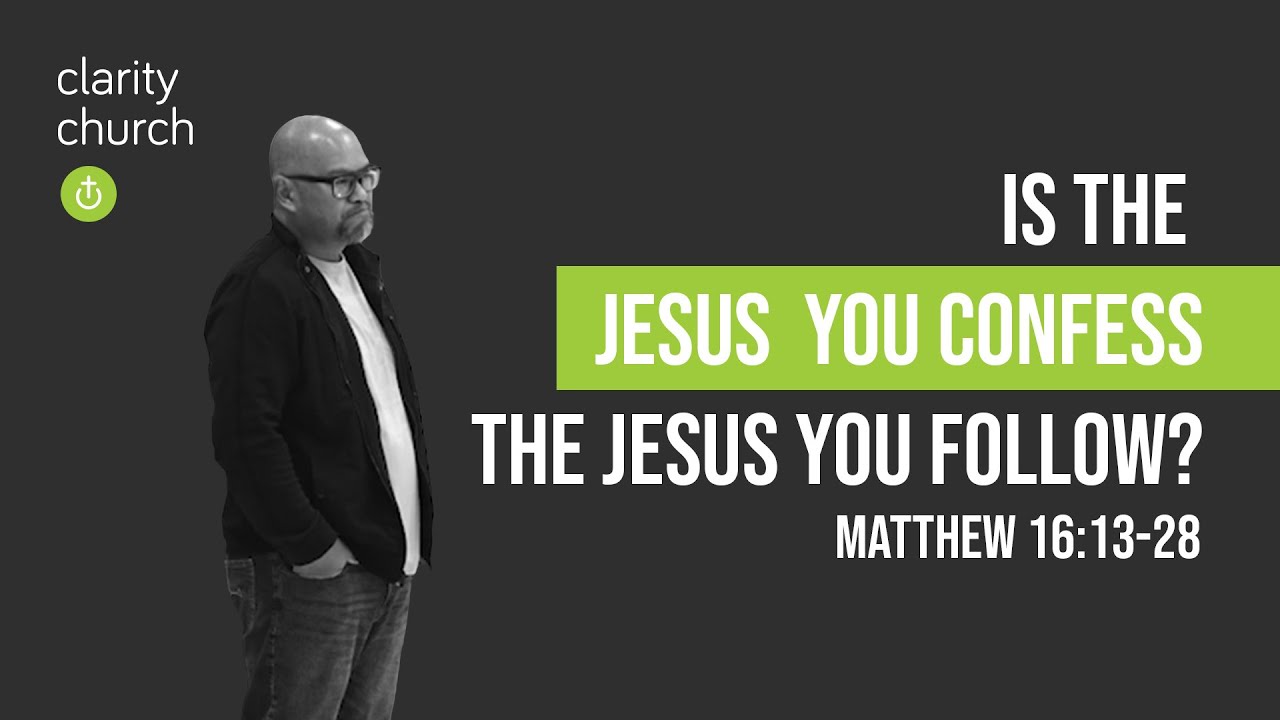
Listen to the message
Message Summary
Continuing the series on the Book of Matthew, Pastor Phillip Santillan opens Matthew 16:13–28 with a made-up self-help book, The Highly Ineffective Life. It is a joke, but most of us know the tension between the life we want and the one that keeps getting interrupted, sometimes by God. Phil asks an awkward question: what if the thing getting in God’s way is me? He welcomes those still deciding about Jesus, since this passage shows what following him asks.
God is no bulldozer, Phil says. Jesus let himself be interrupted by his mother, by friends lowering a paralyzed man through a roof and by his disciples, and many of us met Jesus when our plans were interrupted. Still, no follower wants to be the one standing in Jesus’ way. The difference between joining his mission and blocking it comes down to a simple truth: “His way, not my way.”
At Caesarea Philippi, Jesus asks the question everyone answers with their life: who do you say that I am? Peter confesses that he is the Messiah, the Son of the living God, and Jesus promises to build his church. Phil notes that ekklesia means an assembly, while the English word church comes from a word meaning belonging to the Lord that came to describe a place; William Tyndale chose congregation instead. The church belongs to Jesus and is an empowered people carrying out heaven’s mission on earth.
Yet a person can confess who Jesus is and misunderstand what he came to do. When Jesus explains that he must suffer, be killed and be raised, Peter takes him aside and insists it will never happen. Peter has the right Messiah but the wrong mission; he wants a crown without a cross. Jesus’ rebuke, “Get behind me, Satan,” names the influence behind Peter’s thinking, a scholar notes, recalling Satan’s attempt to divert him in the wilderness. Peter was trying to lead Jesus rather than follow him. Jesus does not adjust his mission to our preferences, but everyone is invited.
To deny yourself, Phil explains, is not to deny your worth but to stop believing you are the center of the universe; the self makes a terrible god. The cross is not a minor irritation but a symbol of death, surrender and cost, and R.T. France calls discipleship a life of at least potential martyrdom. Jesus says follow me, not cultural Christianity or our idea of him. A person can gain everything society chases and still lose what matters most. “The Jesus I confess must be the Jesus I follow,” Phil says; Jesus calls us to walk the road he walked, not the one we wish he had.
Phil closes by asking where we are repeating Peter’s instinct to lead instead of follow, whether in control, comfort, identity, mission, community or in obedience we keep negotiating. God is not a dictator but a gentleman who invites. Those unsure about Jesus should pay attention to any pull toward trusting him, and those who follow him should remember daily that their place is to follow.
Questions about Matthew 16
At Caesarea Philippi, Jesus asked his disciples, “Who do you say I am?” and Peter answered, “You are the Christ, the Son of the living God” (Matthew 16:13–16). Jesus promised to build his church, then began to explain that he must suffer, be killed and be raised on the third day (16:18, 21). Pastor Phil calls it the question everyone answers with their life.
Ekklesia is the Greek word translated “church” in Matthew 16:18, and it means an assembly: a gathered people, not a building. Pastor Phil notes that the English word church comes from a word meaning belonging to the Lord, which came to describe a place, and that William Tyndale chose “congregation” instead. The church belongs to Jesus and is an empowered people carrying out heaven’s mission on earth.
Because Peter was trying to steer Jesus away from the cross. When Jesus said he must suffer and be killed, Peter rebuked him: “This shall never happen to You!” Jesus answered, “Get behind Me, Satan!” (Matthew 16:22–23). Pastor Phil says Peter had the right Messiah but the wrong mission, wanting a crown without a cross, and the rebuke names the influence behind his thinking, echoing Satan’s attempt to divert Jesus in the wilderness.
To deny yourself is not to deny your worth but to stop believing you are the center of the universe, Pastor Phil explains; the self makes a terrible god. Jesus said, “If anyone wants to come after Me, he must deny himself and take up his cross and follow Me” (Matthew 16:24). Following him means walking the road he walked, not cultural Christianity or our own idea of Jesus.
Nothing, if he loses his soul. Jesus asked, “What will it profit a man if he gains the whole world, yet forfeits his soul?” (Matthew 16:26). Pastor Phil puts it plainly: a person can gain everything society chases and still lose what matters most. That is why following Jesus means walking his road, because, in Phil’s words, “The Jesus I confess must be the Jesus I follow.”
More in this series
Matthew 19:13-30: Why What You Consider a Strength May Be Your Biggest Spiritual Blindspot
Matthew 19:7-12: Who Gets the Final Word? (Jesus on Divorce, Singleness, Sexuality, Surrender, and the Gospel)
Matthew 19:1-6: Jesus on Marriage, Sexuality, and the Question Nobody Wants to Ask
Matthew 18:21-35: Jesus and the Difficult Truth about Forgiveness
Matthew 17:1-21: From the Mountaintop to Everyday
Matthew 15:29-16:12: Resisting the Idol of Compassion