
Sunday message
Listen to the message
Message Summary
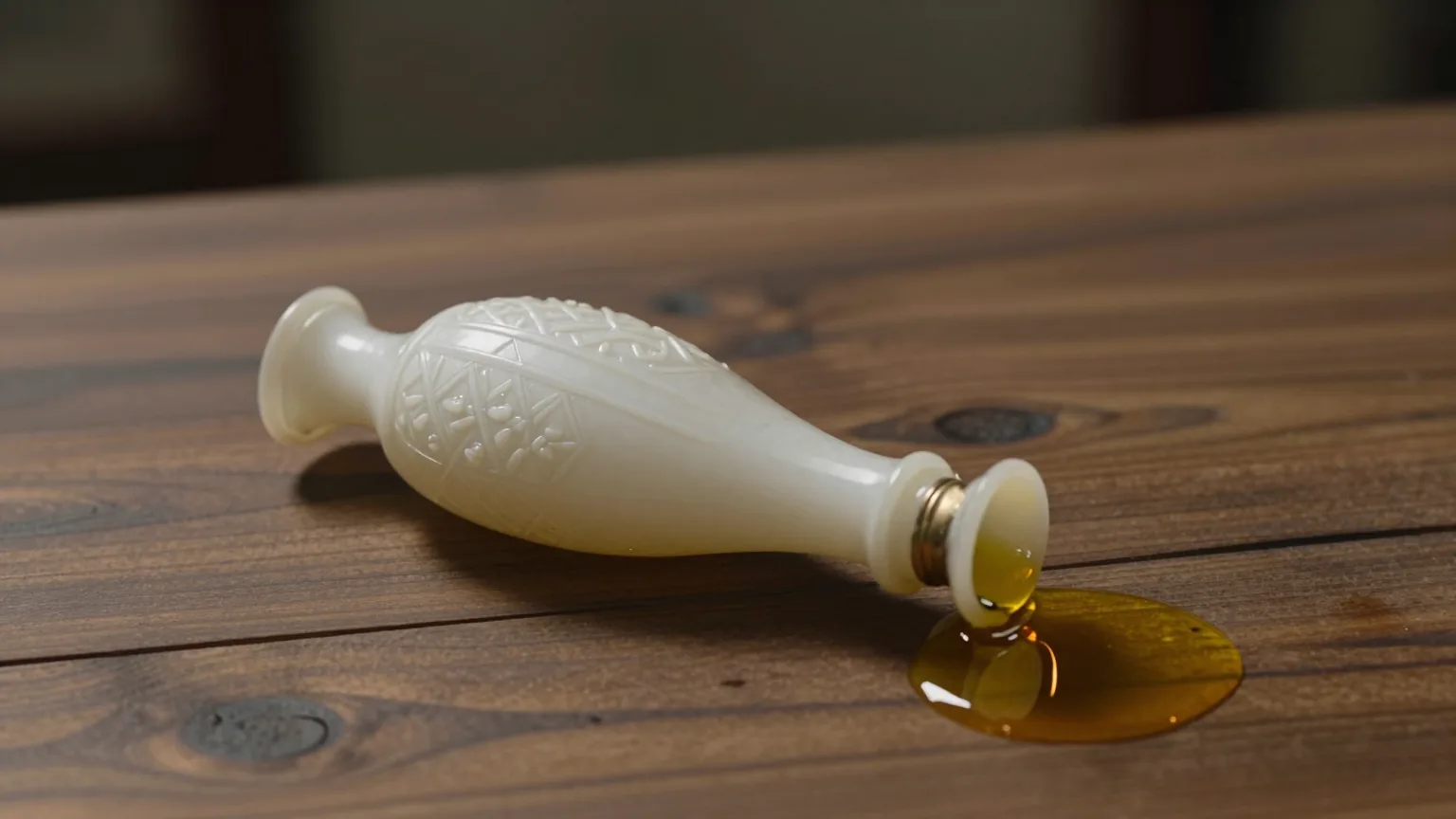
In the second message of a series on living with Jesus as king, Pastor Phillip Santillan turns to Matthew 26:6–13, where a woman pours an alabaster jar of very expensive perfume on Jesus’ head in Bethany. John identifies her as Mary, the sister of Martha and Lazarus, and the perfume, nard imported from India, was worth about a year’s wages. Some call it a contradiction that John has her anointing his feet, but Phil, citing one scholar, explains that Matthew and Mark focus on his head to show Jesus honored and anointed as king.
The disciples are indignant and say the perfume could have been sold for the poor. John reveals that Judas said this, not because he cared about the poor but because he was a thief (John 12:6). Jesus defends her noble act: the poor will always be with them, echoing Deuteronomy, but he will not. By anointing him, she has prepared him for burial.
Matthew is making two points. Jesus is the rightful Messiah King, since oil poured on the head marked Old Testament kings and priests for their office. And his death is essential to the gospel. Caring for the poor is central to God’s work and flows out of the gospel, Phil explains, but the gospel’s focus is Jesus and his death, which Paul called most important, and Jesus’ promise that her deed will be told wherever the gospel goes hints that death is not the end. Our culture prizes love as the highest thing, Phil says, and the greatest display of love is that Jesus died for our sins.
With a set of labeled bags, Phil shows how we sort life into career, recreation, finances, relationships and Jesus, then try to rank Jesus first. That is not bad, but it is an incomplete way to think about Jesus as king. In the wilderness, God led Israel with a pillar of cloud and fire, and the tribes camped around the tabernacle, with God’s presence at the center. Jesus was never meant to be first on a list we check off; he is meant to be the center who guides everything. A king’s people live for their king, and Jesus is a good king worth submitting all of life to.
Jesus called her act kalos, noble and beautiful, and from it Phil draws two marks of kingdom-centered people. First, they let Jesus define stewardship. Like the disciples, we often know our priorities but live against them, overworking at the expense of our health or struggling to tithe while criticizing how others’ giving is used. The answer is not a to-do list, which is still legalism, but submitting to Jesus as king. Second, they offer sacrificial worship. Mary gave something that cost her, while the disciples judged a gift that cost them nothing. David refused to offer the Lord burnt offerings that cost him nothing (2 Samuel 24:24). As Phil puts it, “worship that costs me nothing is worth nothing.” Making Jesus the center is hard, he admits, but it is worth it.