
Sunday message
Listen to the message
Message Summary
Continuing a series on God’s greatest display of love, Pastor Phillip Santillan turns to John 13:1–20. Earlier weeks presented Jesus as the Messiah King who calls for our allegiance, and Mary’s anointing redefined stewardship and worship. This week’s message can be summed up in one line: Jesus is our priest and king.
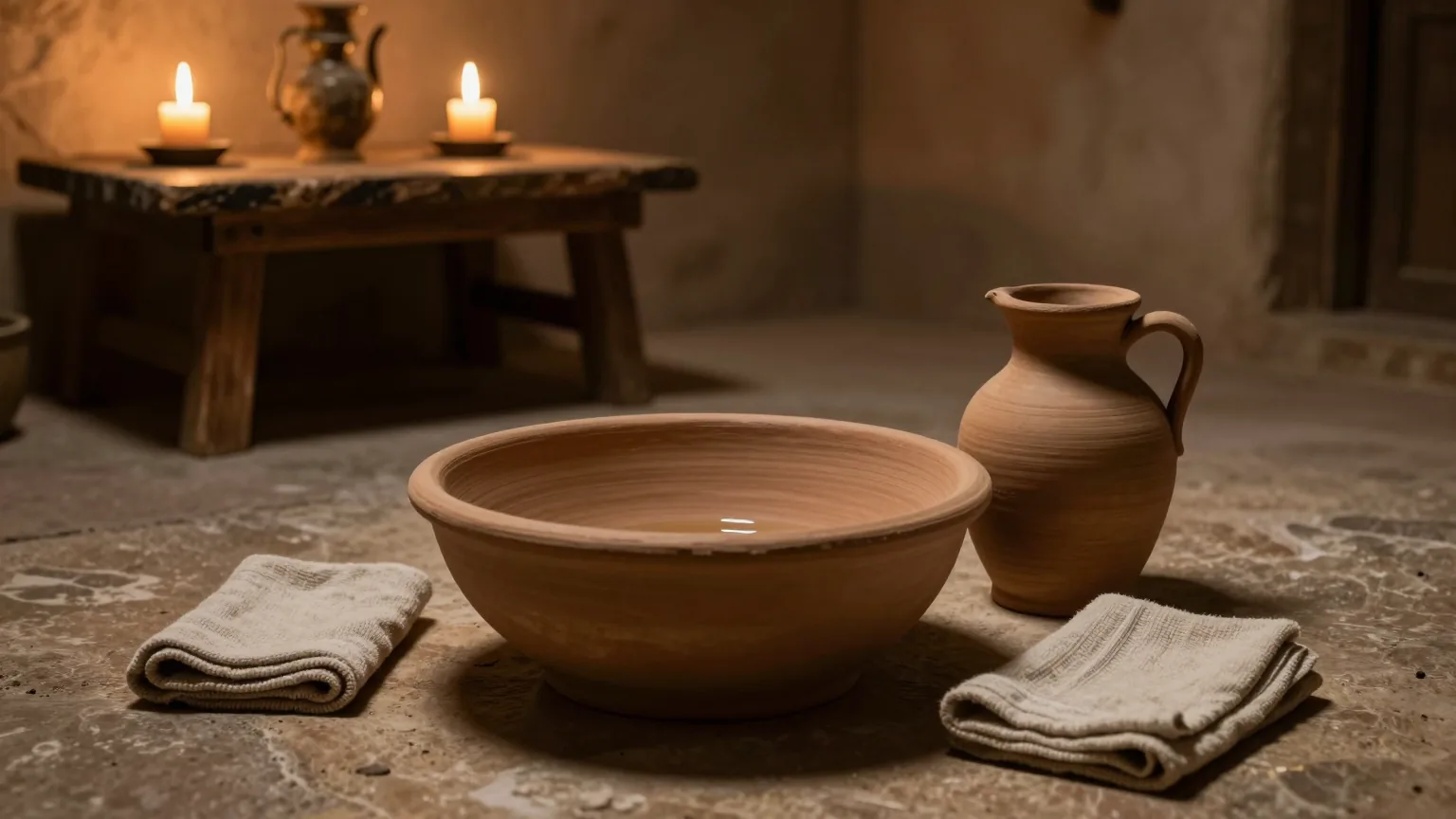
John says that Jesus, knowing his hour had come, loved his own to the end. The next five chapters record Jesus teaching only his disciples, and Phil says that teaching must be read in light of his love. He pauses to make sure listeners know that Jesus loves them too. Jesus then laid aside his outer clothing and tied a towel around himself. Phil recalls the relief of taking off his apron at a college coffee shop job, done serving others. Jesus did the opposite, taking the form of a servant (Philippians 2), just after the disciples had argued over who was greatest (Luke 22).
When Jesus reaches Peter, Peter refuses to let him wash his feet. Jesus answers that unless he washes him, Peter has no part with him, and Peter, cut to the heart, Phil believes, asks to be washed all over. Jesus says one who has bathed is completely clean. Some scholars hear a call for believers to keep confessing their sins (1 John 1:9), while others see a simple foreshadowing of the cross. Either way, Jesus makes his point plain: if their Lord and Teacher washed their feet, they should wash one another’s feet, and they are blessed not just for knowing this but for doing it.
Hebrews calls Jesus a priest in the order of Melchizedek, the king of Salem and priest of God to whom Abraham paid tithes. Kings rule, but priests offer sacrifices so that people far from God can be brought near, and Jesus, our priest and king, calls us to live as priests. First, he calls every believer to serve other believers. We are tempted to take off the apron and stay warm in bed rather than help empty the trailer and set out seats, yet Hebrews warns against neglecting to gather. Serving family or at a food shelf is good, Phil says, but he still asks, “Where do you see dirty feet and what are you going to do about it?”
Second, Jesus sends all believers to live as his messengers. Peter, who once denied Jesus, later wrote that believers are “a royal priesthood” called to proclaim the one who called them out of darkness (1 Peter 2:9). As priests, we join Jesus in reconciling people to God. Phil is proud of how people are living sent in their circles of influence, but he notes that in Acts the gospel spread through local churches working together. With Easter three weeks away, he prays for open doors to invite people to hear that Jesus wants to wash them so they can have a part with him. He closes by asking how each person will serve and live sent, since people will come to know Jesus through them.