
Sunday message
Listen to the message
Message Summary
In the fifth message of a series following Jesus to the cross, Pastor Phillip Santillan turns to John 18:28–38. Having found Jesus guilty of blasphemy for claiming to be the Son of God and the Messiah, the religious leaders bring him to Pilate but will not enter the governor’s headquarters, lest they be defiled before the Passover. Phil points out the hypocrisy of guarding their ritual purity while taking part in a killing.
Asked for a charge, the leaders reply that they would not have handed Jesus over if he were not a criminal, a pettiness Phil likens to a household squabble over taking out the trash. Unable under Roman law to execute anyone, they want Rome to do their dirty work. Phil calls it fair to ask how an all-loving God could let his Son go through this. Heard in sound bites, the story can make God seem unloving or powerless, but read line by line, it reveals a God full of love and power enough to raise Jesus from the dead.
John notes that this fulfilled Jesus’ words about how he would die. The leaders thought they were in control, but instead of being stoned, Jesus would be lifted up, as he had predicted (John 3:14; 8:28; 12:32–34). Trying to prove him a liar, they proved he was who he said he was. Phil calls Jesus the true and better Joseph, recalling that Joseph’s brothers planned evil God planned for good, and points to Jesus telling Nicodemus that God sent his Son to save the world.
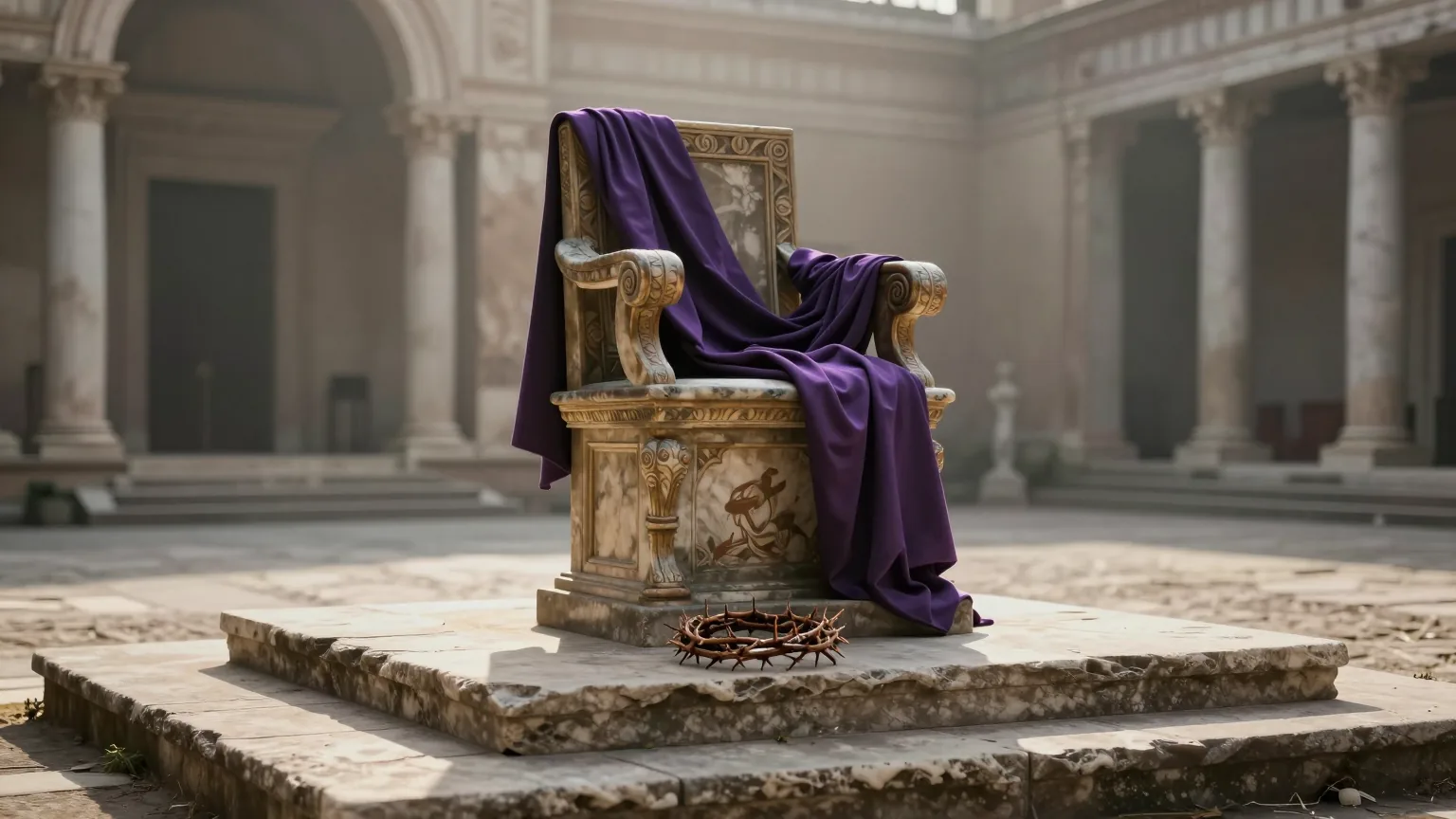
Pilate asks if Jesus is the king of the Jews, but only wants to know if he is trouble. Jesus replies, “My kingdom is not of this world,” and Phil draws two truths from that verse. First, Jesus’ kingdom is not limited by this world, so rather than being overwhelmed by its concerns, we are to seek first God’s kingdom. Chuck Colson, in God and Government, writes that the Christian’s goal is not to rule but to be ruled by God. Phil objects to faith fused with politics into a religion that feels entitled to impose its rule, and says America has never been and never will be a Christian nation. He wonders how the world would see Christians known for letting God rule how they love their neighbors, the forgotten, and people unlike them.
Second, servants of King Jesus fight for heavenly causes. The leaders waged what they thought was a holy fight while breaking the command not to kill. Phil asks what we fight for while lacking passion for what Jesus died for: the salvation of all who believe. Would the people around us name sharing the gospel among our top five passions, or would Jesus tell us, as he told Martha, that we have missed the one thing needed (Luke 10)? Finally, Pilate asks, “What is truth?” Like him, the world wants to know only whether Jesus threatens its comfort, then walks away. Phil hopes followers of Jesus will embrace him as the way, the truth and the life.