Sunday message · The Next Right Thing series
Listen to the message
Message Summary
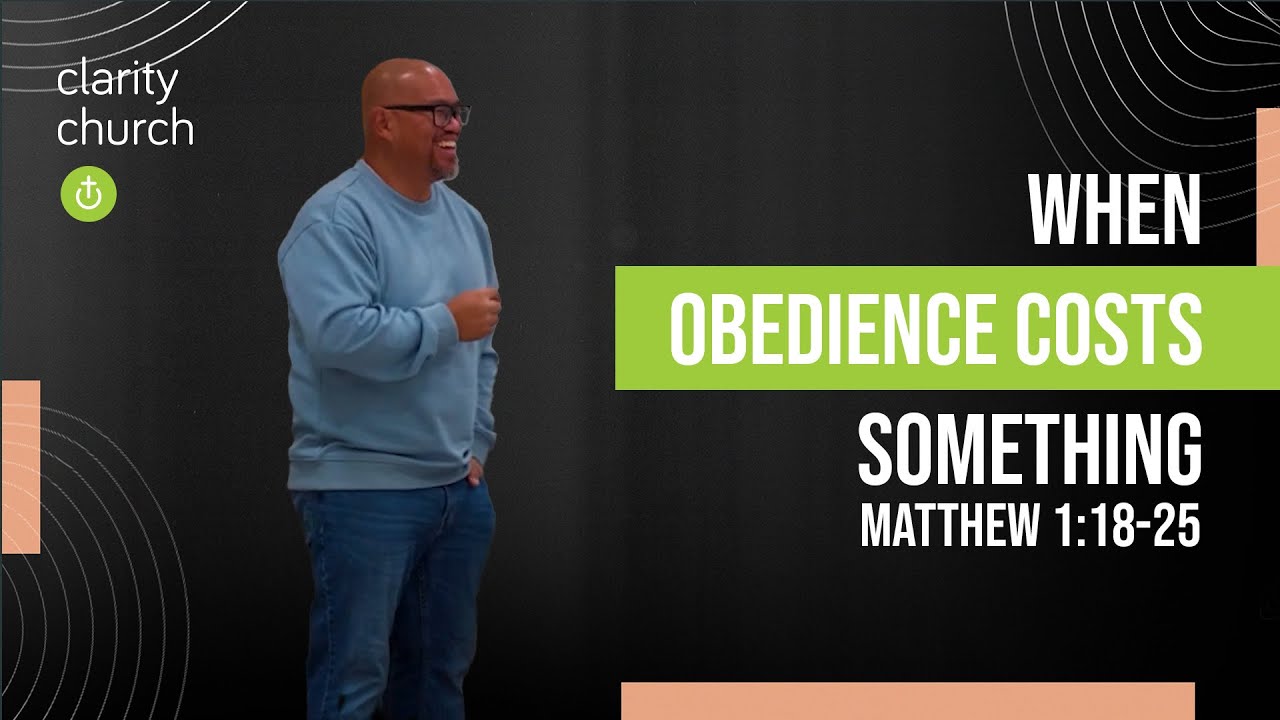
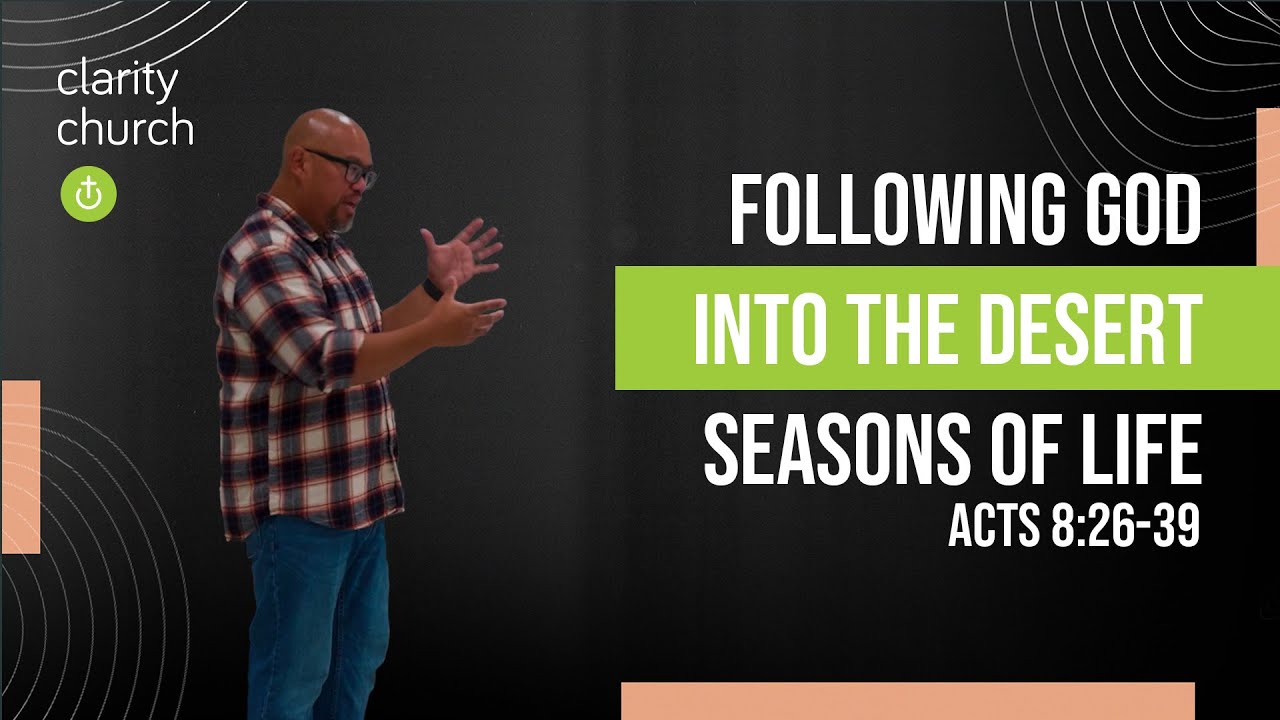
In the third message of The Next Right Thing series, Pastor Phillip Santillan turns to Acts 8:26–39. After Abraham showed that obedience matters more than immediate results and Joseph showed God at work through setbacks, Philip’s story highlights a different kind of unknown: God calling us away from what is familiar and fruitful onto a path that looks inefficient or even risky. Phil asks how we respond when the path ahead looks like leaving success behind, and says it is not a matter of if, but when.
Philip is at the center of a thriving ministry in Samaria, with crowds coming to faith, when an angel sends him to a desert road toward Gaza, the last place anyone would go to build on success. Phil, who jokes that he shares Philip’s name with one extra L, admits he would have asked why. Philip simply gets up and goes, with no overthinking and no demand for a roadmap.
There he meets an Ethiopian eunuch, a high official of Candace, queen of the Ethiopians. As a foreigner and a eunuch, he was the last person many would expect to receive the gospel, socially marginalized and ritually excluded. Yet he is already reading Isaiah and seeking God, so the Spirit is already at work, and Philip is simply joining Jesus on his mission. The world measures success by productivity, numbers and scale, but in God’s eyes success is faithfulness. As one scholar puts it, it does not matter whether we preach to hundreds in a city or one in the desert.
When the Spirit tells Philip to join the chariot, he obeys, and only then does clarity come, as the man admits he needs someone to guide him. Maybe the clarity we want, Phil suggests, is on the other side of obedience. Philip also shows patience and observation, as commentators Bruce Barton and Grant Osborne note. Rather than preaching with guns blazing, he starts with a question: do you understand what you are reading? Following the Spirit’s direction means bearing his fruit, including patience, since the Spirit empowers us as witnesses (Acts 1:8).
Beginning with Isaiah’s words about a sheep led to the slaughter, Philip tells him the good news about Jesus, and when they reach water, the man asks what keeps him from being baptized. After the baptism, the Spirit carries Philip away and the man goes on his way rejoicing. The pattern, Phil says, is that God moves first, the Spirit orchestrates, and obedience becomes the vehicle for God’s work.
Phil admits he has been tempted to hold back when God’s direction did not look productive or fit his carefully written plans. “God’s interruptions are rarely convenient,” he says, but inconvenience is not proof we have done something wrong. Philip’s story offers a blueprint: obey in the moment, stay faithful when it does not make sense, move toward the one and not just the many, and trust God with the outcome. Faithfulness matters more than fruitfulness. He closes by asking what God’s next step is for each of us.