Sunday message · The Book of Matthew series

Listen to the message
Message Summary
As the church returns to the Book of Matthew, Pastor Phillip Santillan opens Matthew 11:1–15 by acknowledging that most people wrestle with faith. Unanswered prayers and painful losses raise questions, which are not signs of weakness but of a heart seeking deeper understanding. The passage tells of John the Baptist’s crisis of faith, and Phil’s central question is how we respond when Jesus challenges our expectations. Setting his notes aside, he calls the message timely: if it is not for you, it is for someone near you. Clarity began because people were unclear about who Jesus is and who his followers are, and since COVID many have heard of churches and leaders acting unlike Jesus in his name. Some who once called Clarity home have told Phil they no longer know what they believe.
John was no ordinary man. He was the voice Isaiah 40:3 foretold, and he baptized Jesus, saw the Spirit descend and heard the Father’s voice. Yet from prison he sends his disciples to ask whether Jesus is the one to come or they should expect someone else. Jesus was not acting as John expected. John had preached a Messiah of judgment, but Jesus invested in the oppressed rather than resisting oppressors, befriended sinners and tax collectors, and showed mercy instead of condemnation. Meanwhile John, Jesus’ own cousin, sat unjustly imprisoned.
Perhaps you prayed for healing that did not come, or served faithfully while doors kept closing. Questions like John’s are not weak faith but honest wrestling, Phil says, and the evil one wants you to believe that “your doubt means that you’re out.” Faith is not the absence of uncertainty but choosing to trust in the midst of it, like the father who asked Jesus to help his unbelief. John did not retreat. He brought his doubt to Jesus.
Jesus does not condemn John. He points to the evidence: the blind see, the lame walk, the dead are raised and the poor hear good news, echoing Isaiah’s prophecies. Blessed is the one not offended by him, which R.T. France explains as accepting God’s work without demanding undue proof. Then Jesus defends John before the crowd as no reed swaying in the wind but a prophet and more, and says no one born of women is greater. Honest questions do not change how Jesus sees us. John’s suffering, Phil adds, was no sign of failure but evidence of a kingdom advancing against violent opposition.
Even on the mountain with the risen Jesus, some disciples doubted (Matthew 28), and Matthew did not photoshop that out. Jesus came near and gave them the Great Commission, promising to be with them always. Doubt does not make Jesus small or change his affection for us. Phil closes by asking the church to listen for doubt in the people around them, hear it as a soul crying out for Jesus, and respond as Jesus did with John: without shame, pointing to the evidence and encouraging them. “Let’s not give up on the people that Jesus gave up his life for.”
More in this series
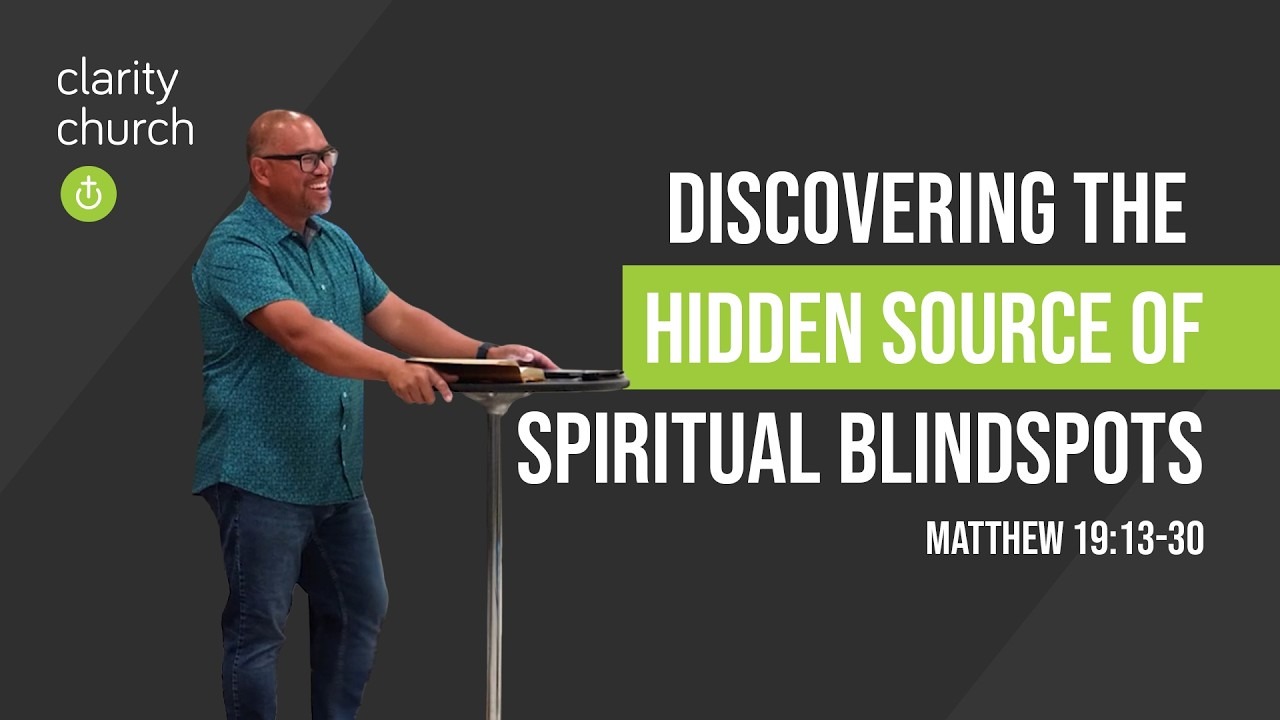
Matthew 19:13-30: Why What You Consider a Strength May Be Your Biggest Spiritual Blindspot
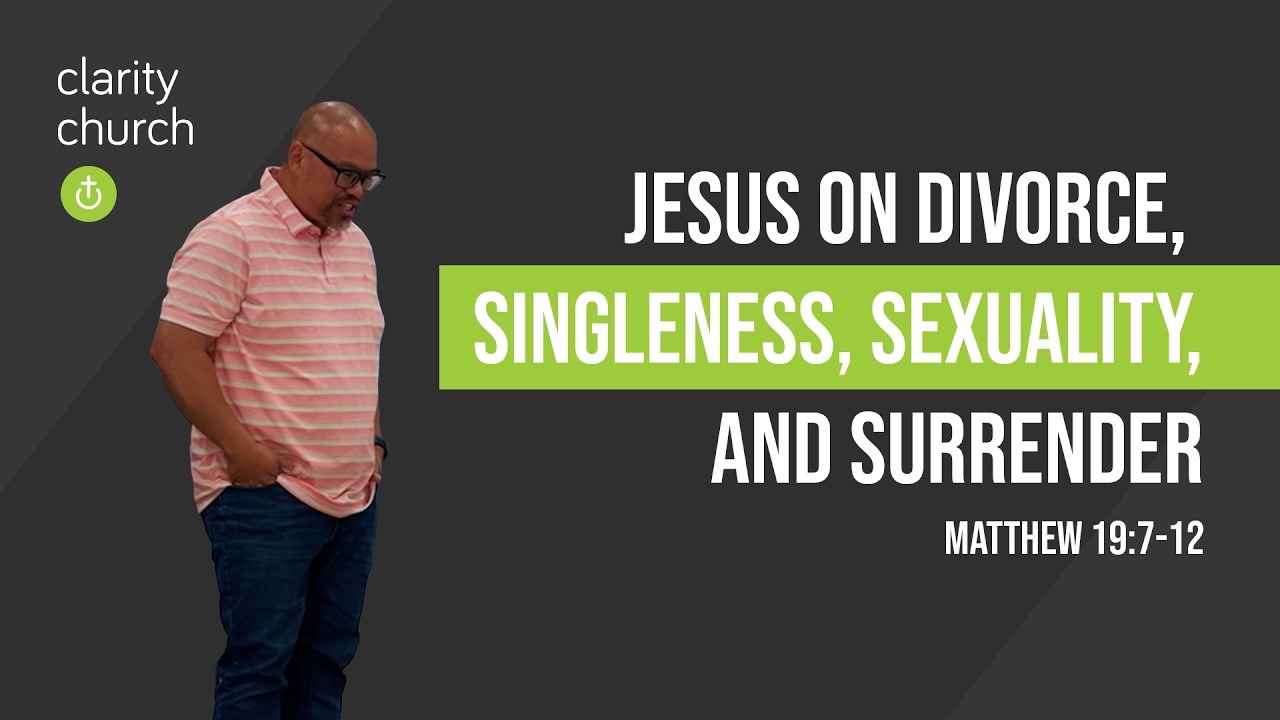
Matthew 19:7-12: Who Gets the Final Word? (Jesus on Divorce, Singleness, Sexuality, Surrender, and the Gospel)
Matthew 19:1-6: Jesus on Marriage, Sexuality, and the Question Nobody Wants to Ask
Matthew 18:21-35: Jesus and the Difficult Truth about Forgiveness
Matthew 17:1-21: From the Mountaintop to Everyday
Matthew 16:13-28: When the Problem is Me