Sunday message · The Book of Matthew series
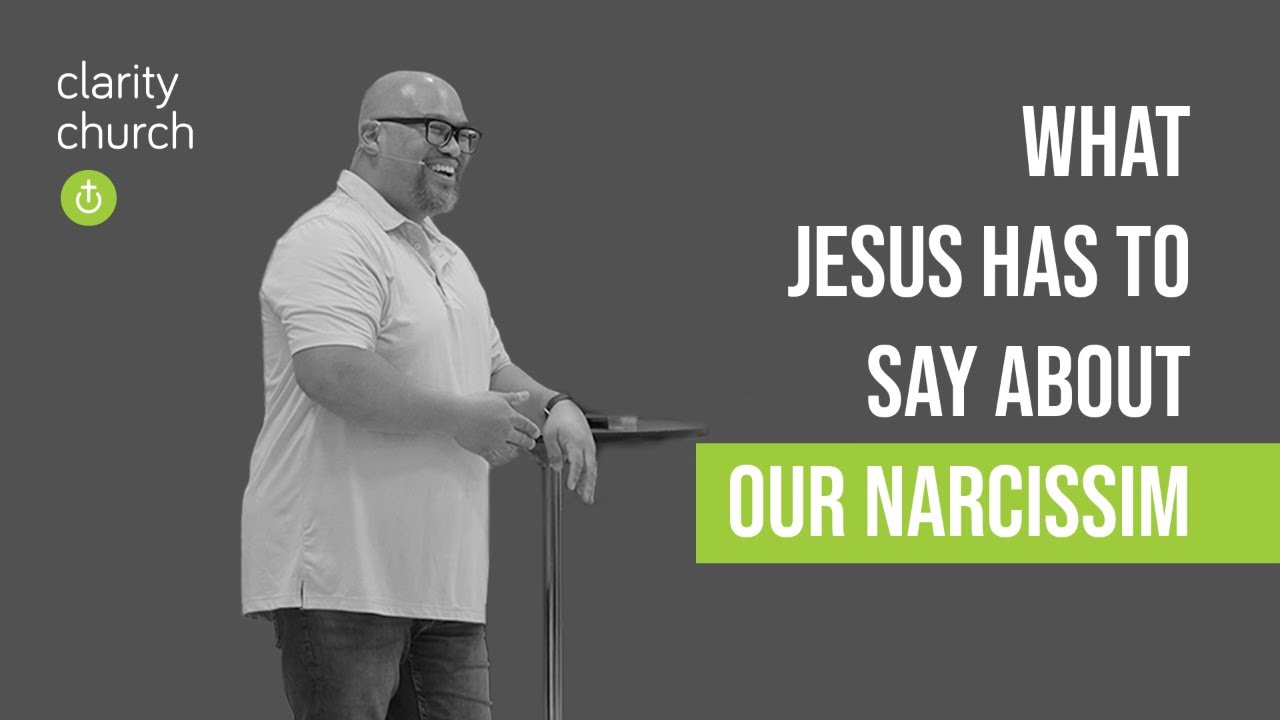
Listen to the message
Message Summary
Continuing through the Book of Matthew, Pastor Phillip Santillan turns to Matthew 11:16–30. Having just answered John the Baptist’s doubts, Jesus asks what he should compare this generation to. Phil sees two charges against those who choose not to listen, followed by an invitation to the weary.
The first charge is what Phil calls narcissistic deism. Like children in the marketplace complaining that others will not dance to their flute or mourn to their lament, people rejected any version of God that did not fit their expectations. They said John had a demon and called Jesus a glutton, a drunkard and a friend of sinners, though Jesus said whoever has seen him has seen the Father. Phil admits the same temptation today: reading the Bible through our own filters, hearing sermons with our own agendas, judging local churches by our preferences and tuning out whatever does not suit us. Disciples are learners, and scholarship has corrected even Phil’s reading of some verses. Drawing on R.T. France, he notes that neither Jesus nor John fit the crowd’s expectations, so both were dismissed.
The second charge is worse: willful unrepentance. Chorazin, Bethsaida and Capernaum saw most of Jesus’ miracles and still did not repent. Familiarity with God’s presence does not guarantee transformation, Phil warns; witnessing God’s power is not the same as letting it change your life. The real miracle is choosing, day after day, to deny the flesh. One commentator notes that these words of judgment unsettle modern Christians, who want a gospel where everyone is okay and would rather not admit that they too are judged. It is possible to attend church and hear the gospel yet walk away unchanged. Phil asks where we have resisted God or keep putting off what he asks.
Jesus thanks the Father for revealing these things to infants, those with childlike humility. Phil admits that Jesus’ call to become like children (Matthew 18:3) can feel like a burden to people prone to insecurity and self-doubt, who wonder whether they are humble or repentant enough. To them Jesus says, “Come to me, all you who are weary and burdened, and I will give you rest.” Phil once thought this verse was for people working eighty-hour weeks, but it speaks to those crushed by religious rules, the kind of yoke Acts 15:10 says no one could bear.
Jesus’ rest is not a beach, a canoe on a favorite lake or a Harley ride through the Arizona desert. It is a yoke, something Jesus the carpenter may well have made. The path to rest runs through work: join me, watch me, learn from me. Following Jesus is no free ride, yet his yoke is easy and his burden light. Writing to the Christians in Rome, Paul describes this work as offering ourselves as living sacrifices, transformed by the renewing of our minds. Phil invites everyone to lay down the standards they place on themselves and let Jesus’ work become theirs. Like a star player on a basketball team, he says, Jesus is really good at his work.
More in this series
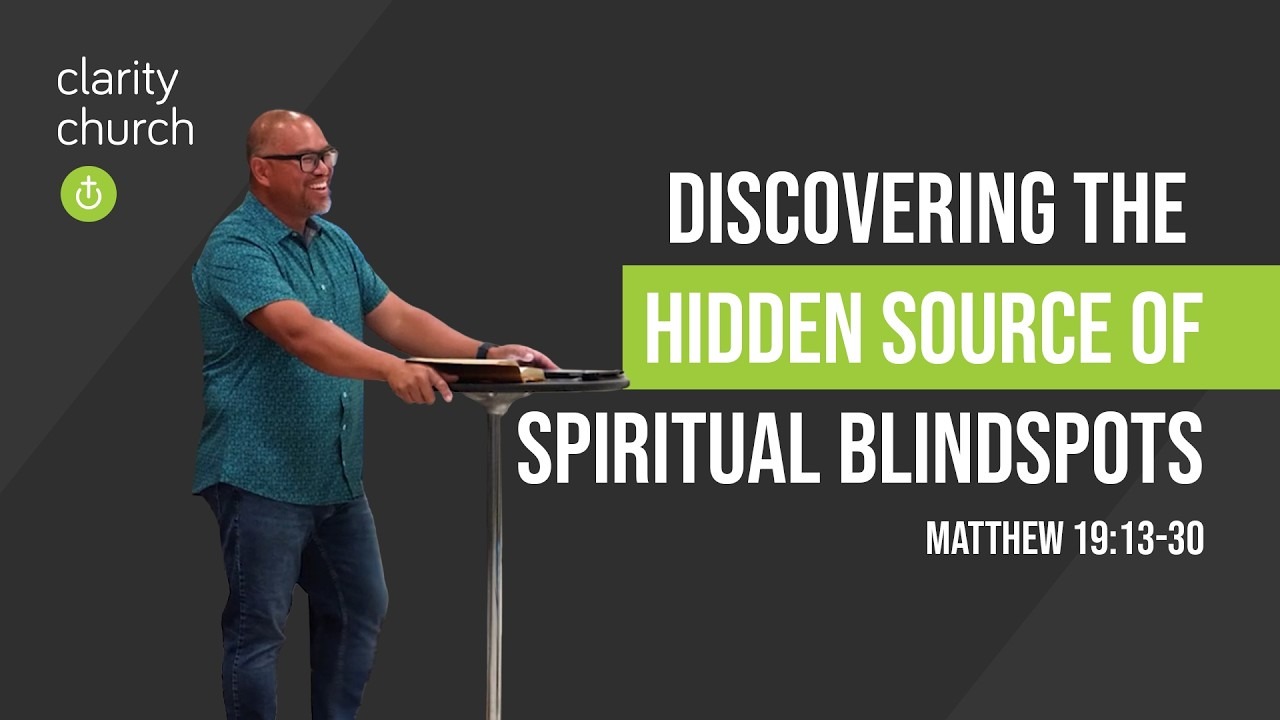
Matthew 19:13-30: Why What You Consider a Strength May Be Your Biggest Spiritual Blindspot
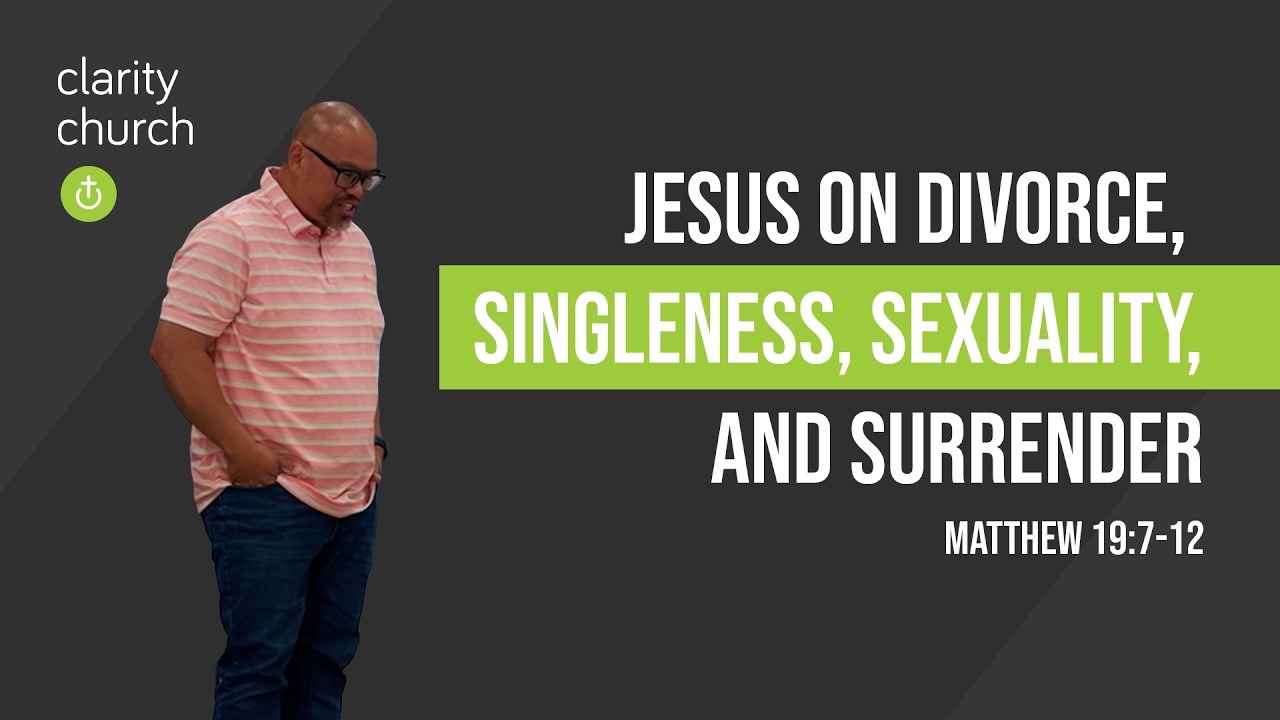
Matthew 19:7-12: Who Gets the Final Word? (Jesus on Divorce, Singleness, Sexuality, Surrender, and the Gospel)
Matthew 19:1-6: Jesus on Marriage, Sexuality, and the Question Nobody Wants to Ask
Matthew 18:21-35: Jesus and the Difficult Truth about Forgiveness
Matthew 17:1-21: From the Mountaintop to Everyday
Matthew 16:13-28: When the Problem is Me